Mela · Field Notes
Field Notes
Methodology, observations, and limits of a computational dermatology engine. What the engine does, how it measures itself, where the limits sit — published openly, including the unflattering results.
How Mela works
What the engine does, how it reads timing, and where it stays alongside medical care. →
Watch · the demonstrationsSee the method run
Five recorded demonstrations on synthetic data, one at a time — the interactive arm of these notes. →
Latest
The clue and the conclusion
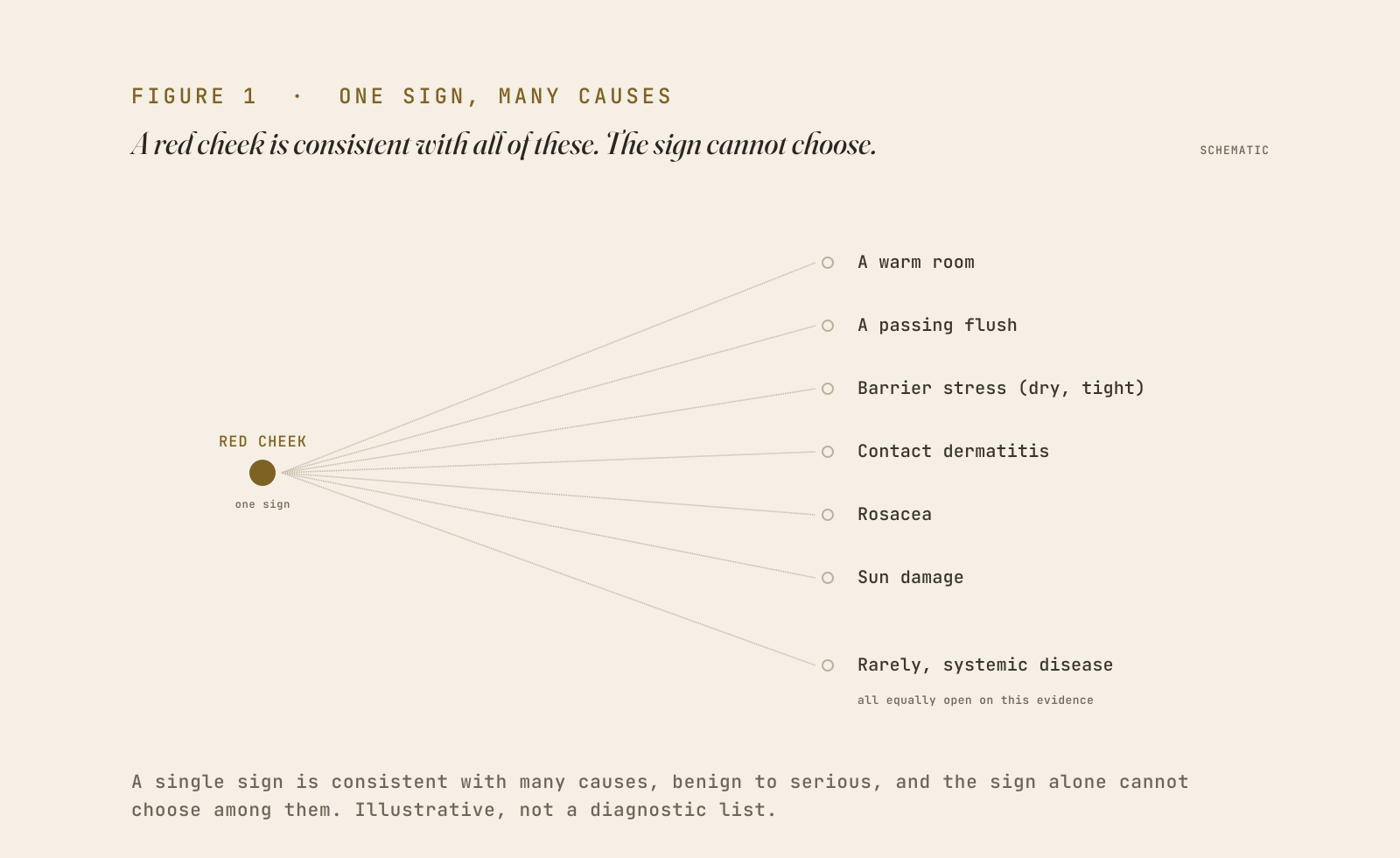
Why a single sign from a face is a clue and not a conclusion, how an honest reading weighs several competing explanations rather than matching one, and why naming the condition is a step that belongs to a clinician.
The archive
Why your skin looks different in every photo
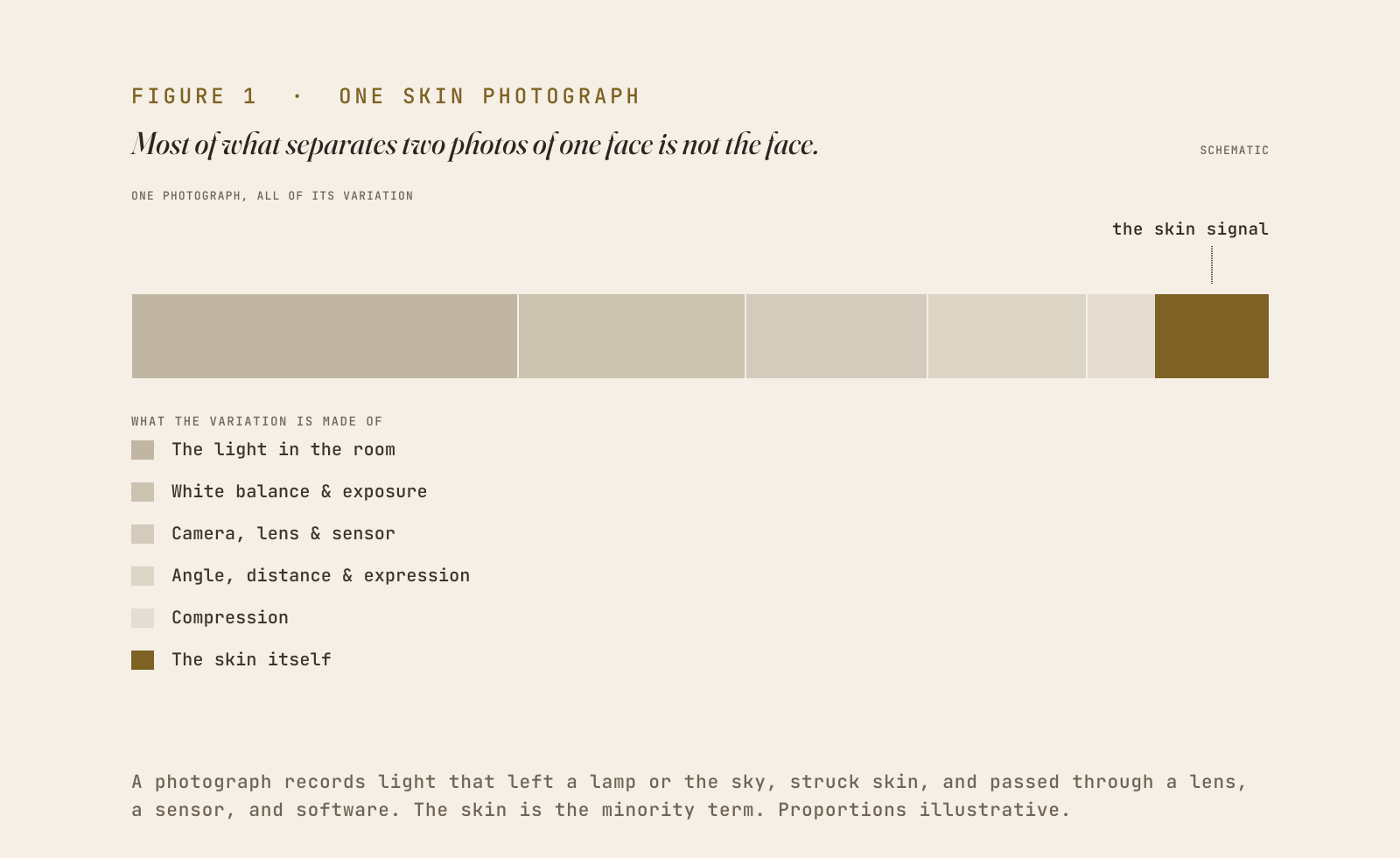
Why most of what separates two photographs of the same face is light and hardware rather than skin, what physics genuinely allows a camera to separate, and why an honest reading of an image is an estimate with a stated uncertainty rather than a verdict.
What skincare can't change
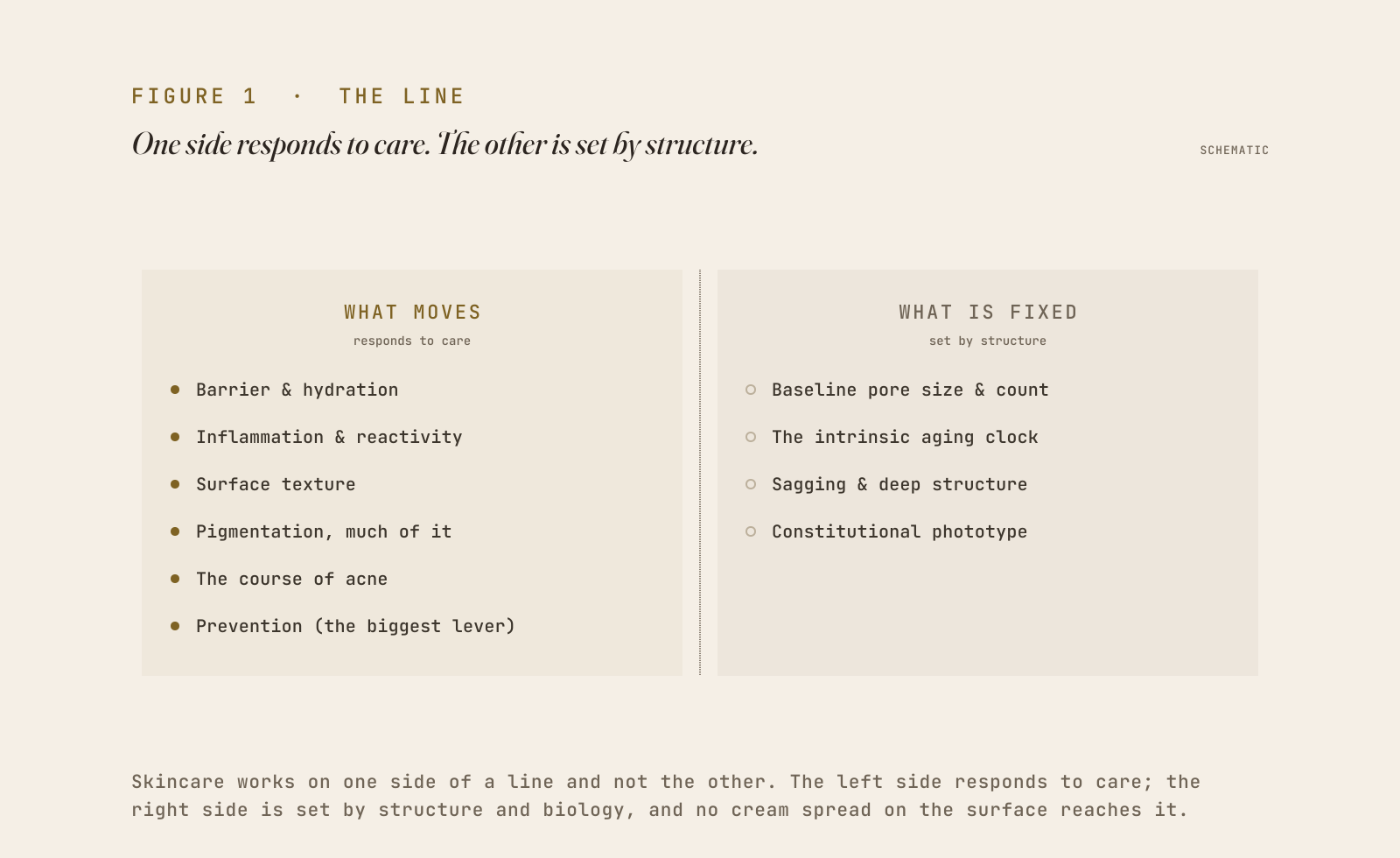
The line between what a cream can genuinely move and what is structurally fixed, why most of what is sold as transformation sits on the fixed side, and how to tell a product that respects the boundary from one that does not.
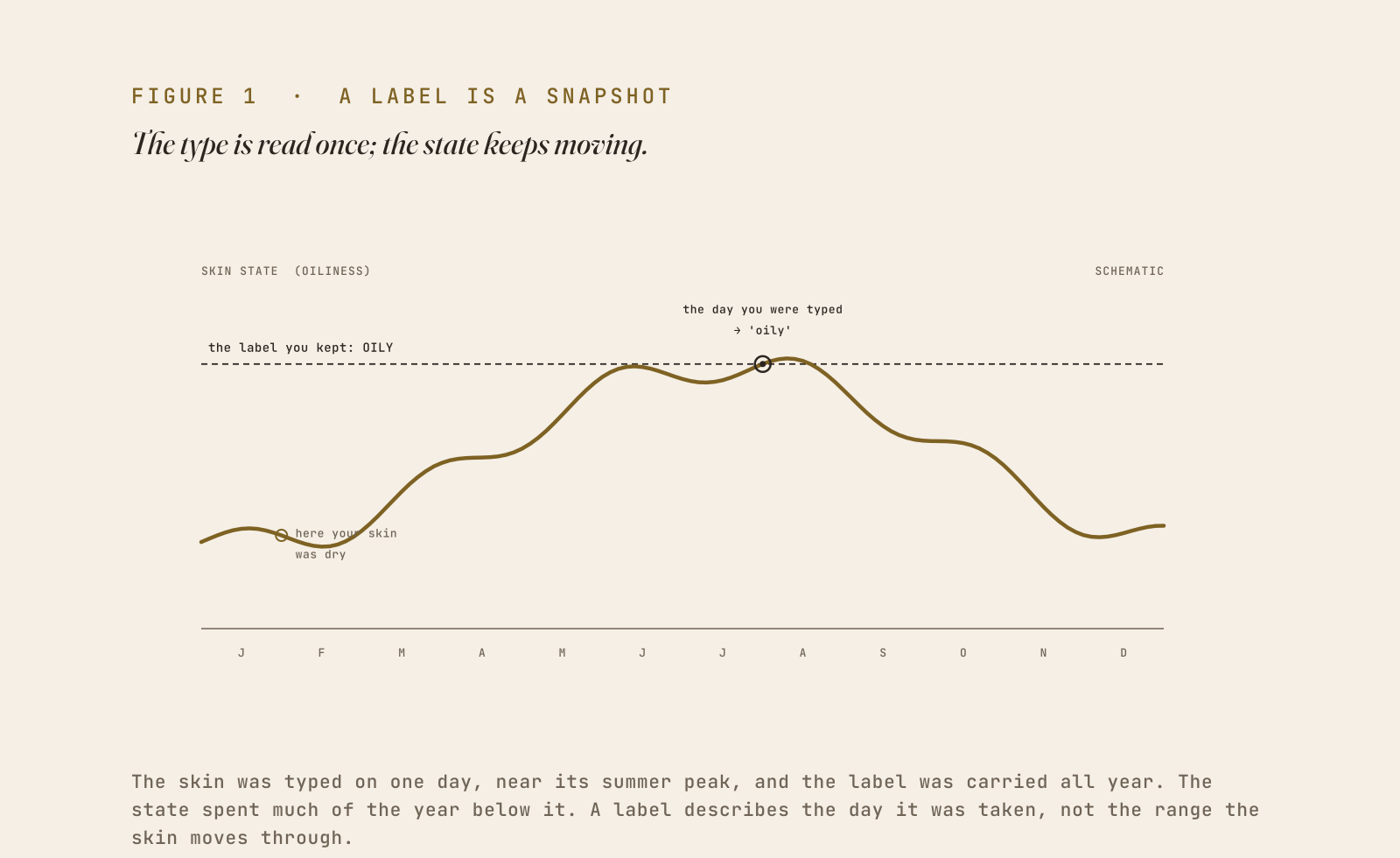
Skin is a state, not a type
Why the oily-or-dry label you were assigned is a snapshot of a moving target — what makes skin shift across the day, the month, the season, and the decade, and why the honest read follows the state you're in now.
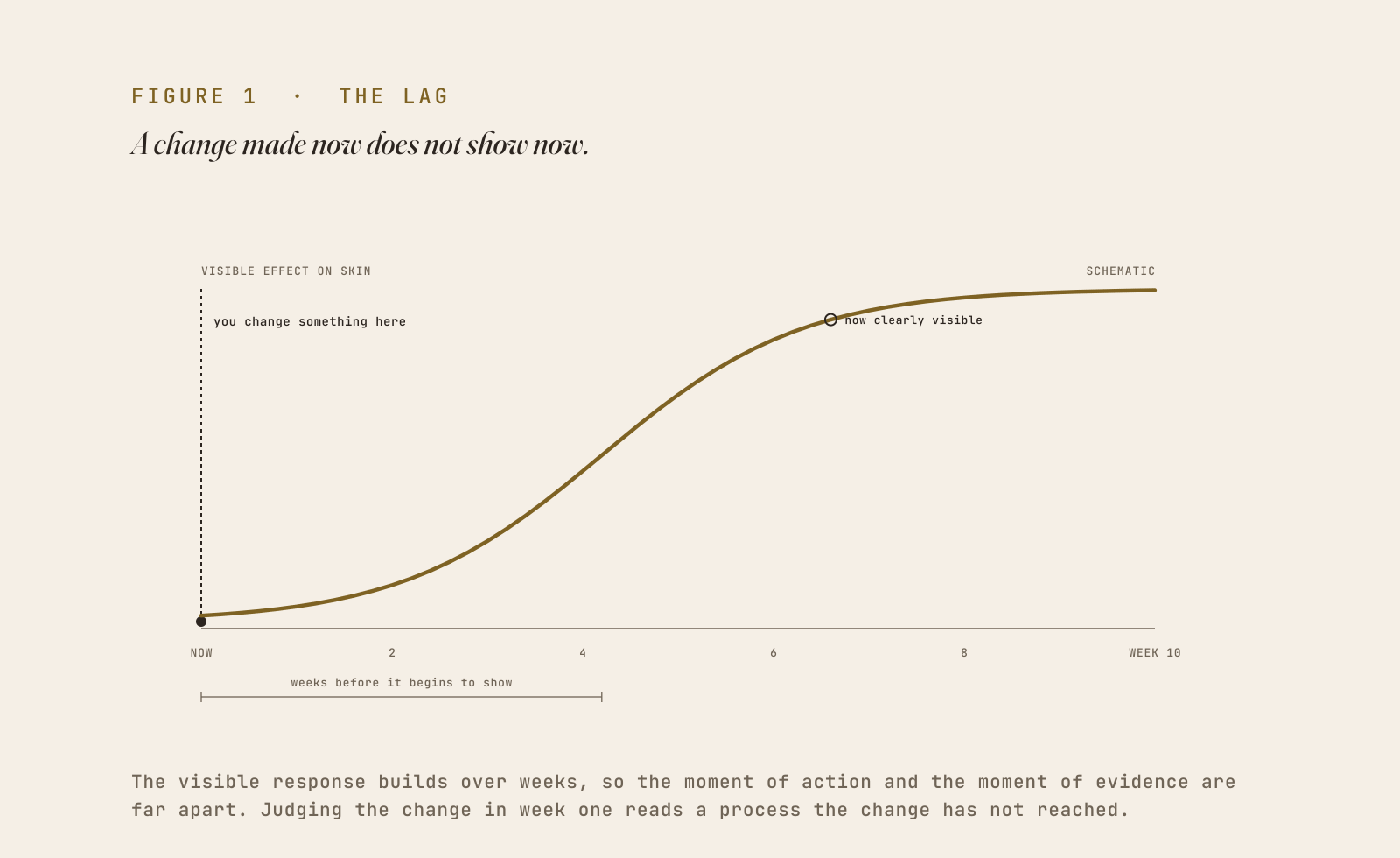
Skin is a lagging indicator
Why the skin you see today is a slow readout of the past several weeks — and why the newest change in your routine is the least likely explanation for what you see.
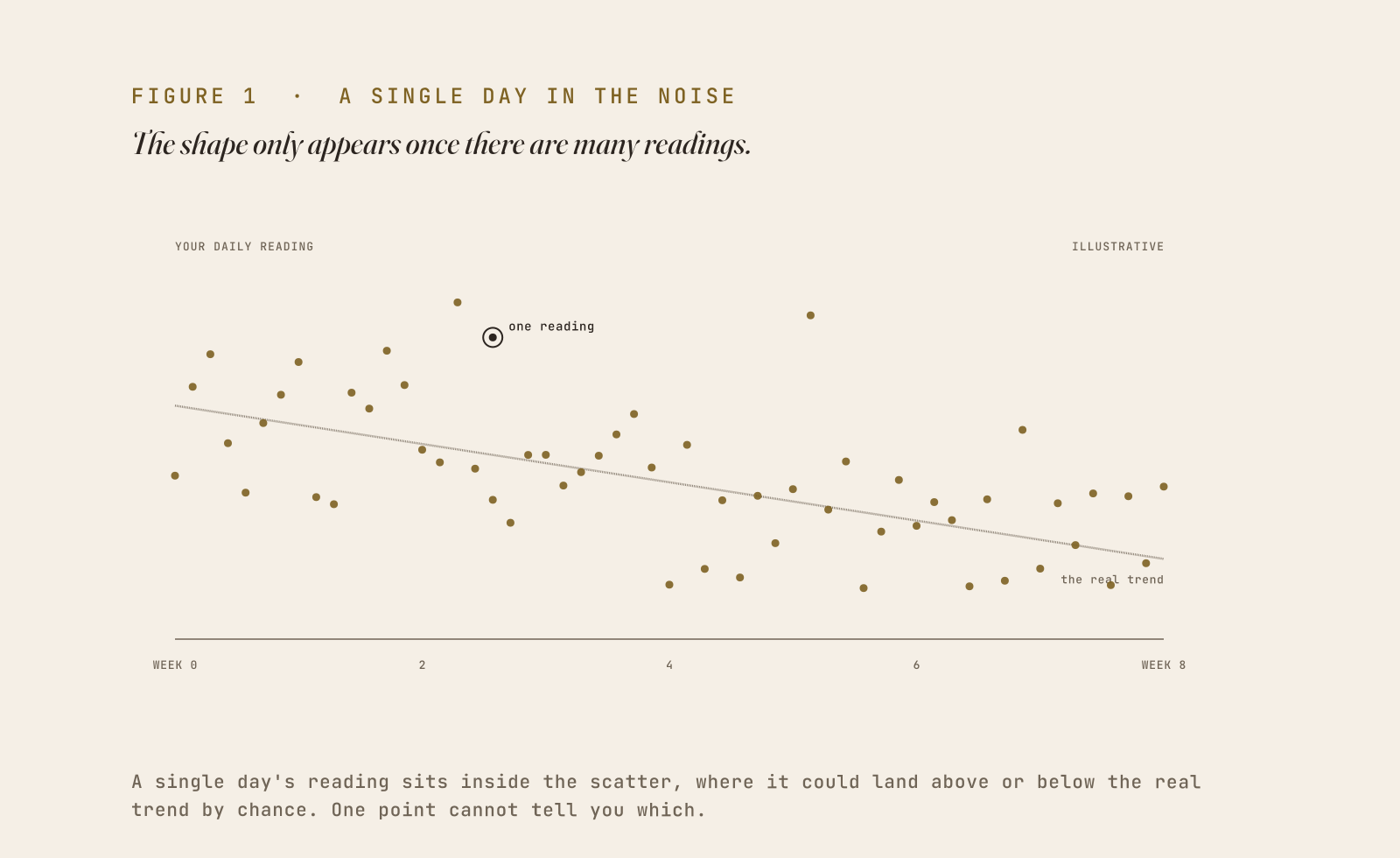
One day is not a signal
Why a single day's read can't tell a real change from normal fluctuation, what the noise is actually made of, and the hard limit that places on any tracker — Mela included.
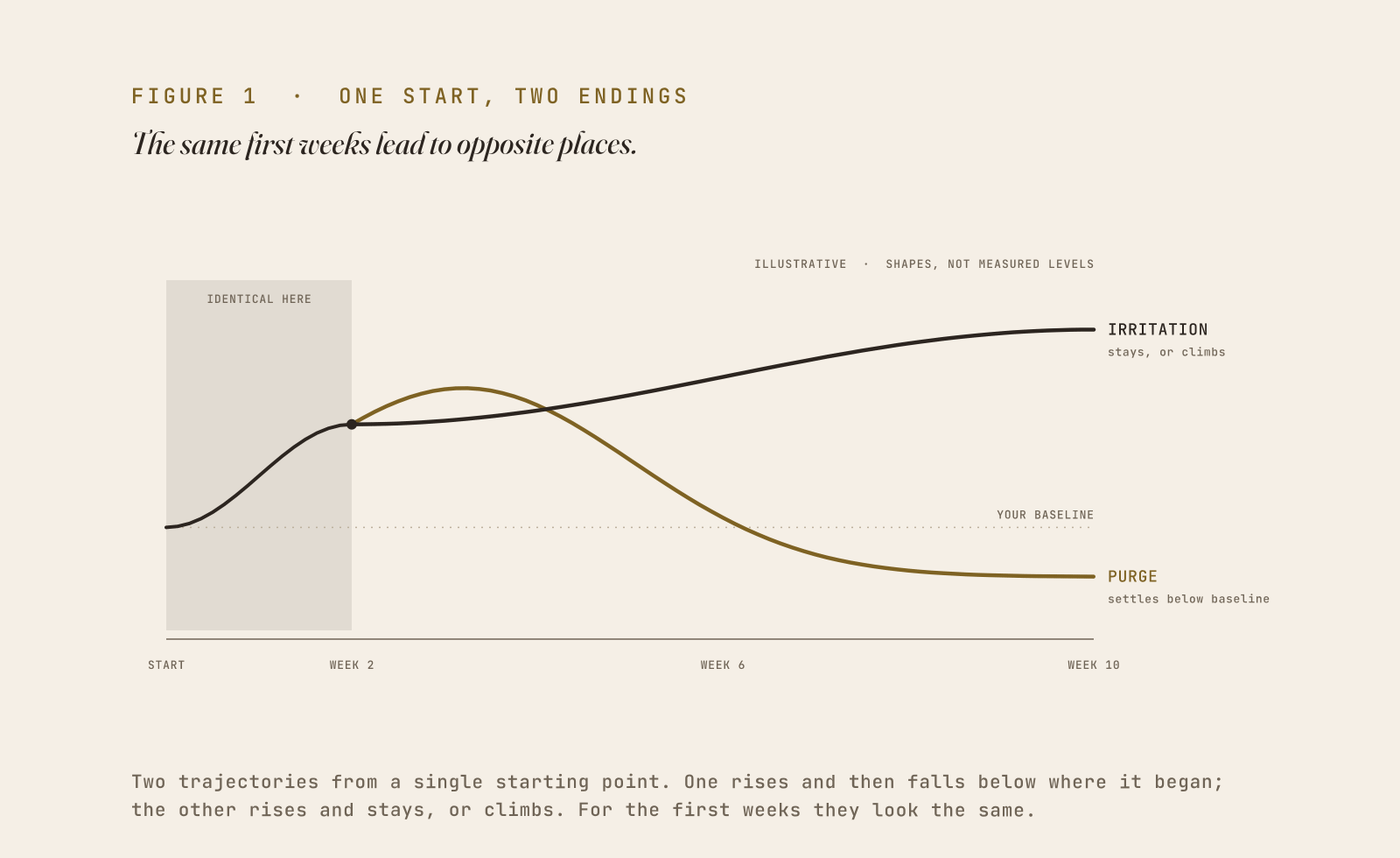
It's the irritation, not the purge
Why "purging" became the default explanation for almost any early breakout — and why the popular version can't be told apart from plain irritation in the two weeks people use to decide.
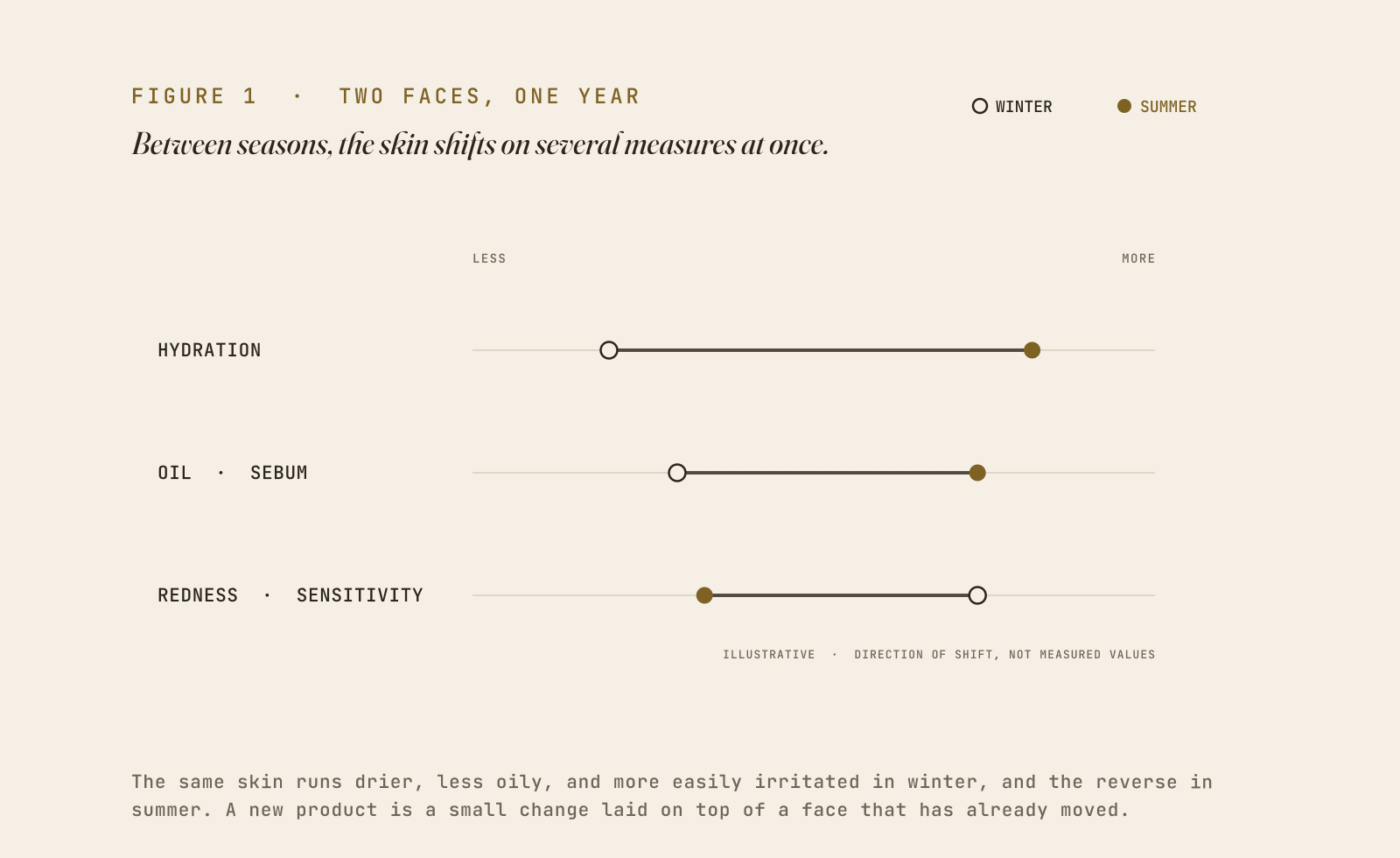
It's the season, not the serum
Why the "my routine stopped working this fall" story is, more often than not, a seasonal shift wearing the timing of whatever product changed — and what it takes to tell them apart.

It's the cycle, not the serum
Why the most common "my new product broke me out" story is, for roughly half of women, a premenstrual flare wearing the serum's timing — and what it takes to tell the two apart.
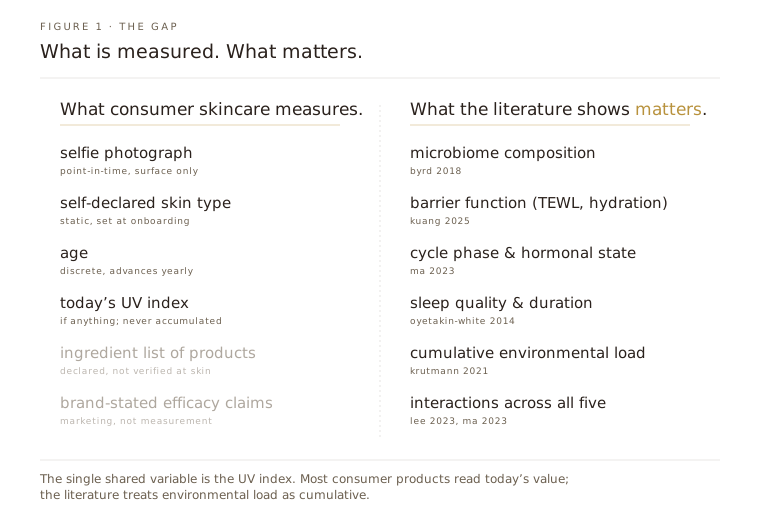
The wrong measurement problem
Six layers of skin physiology the basic-science evidence treats as the signal — and what consumer skincare is failing to operationalize from them.
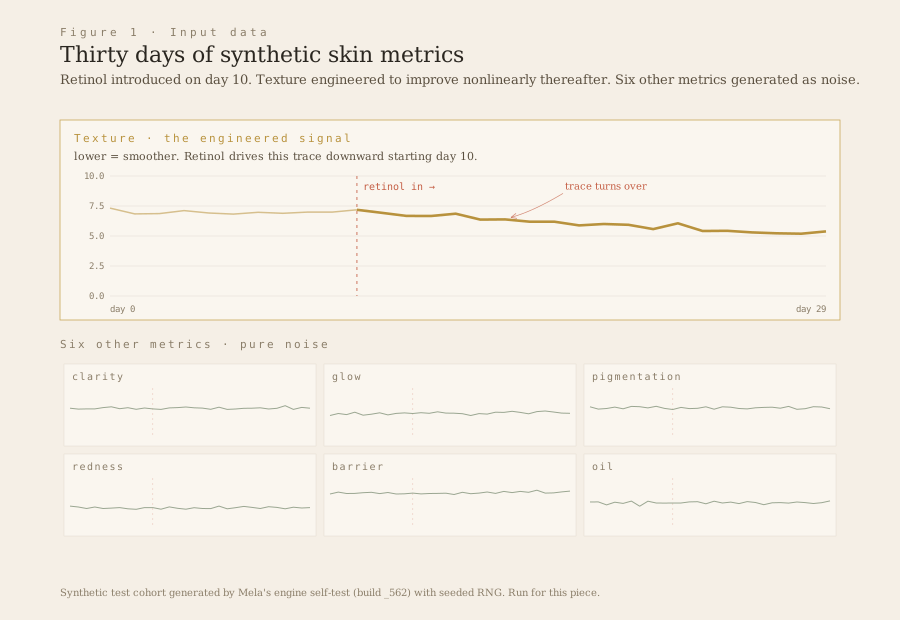
How Mela sorts cause from coincidence
A worked example: causal discovery walked through synthetic 30-day skin data with a known ground-truth edge — where it recovered the truth, where it found a spurious pattern, and how the hedging is calibrated.